
CREATING OPPORTUNITIES FOR ADULTS WITH DISABILITIES
TO LEAD THEIR BEST LIVES─EVERY DAY.

~2.jpg)

~2.jpg)
For nearly 60 years, Bergmann Center has helped adults with intellectual and
developmental disabilities build friendships, develop life skills, engage in their
communities, and live with greater independence, dignity, and purpose.
← Home | Programs | Support Us | About Us | Contact Us
Our Programs
Helping Adults with Disabilities Live Their Best Lives
At Bergmann Center, our programs are designed to help adults with intellectual and developmental disabilities build skills, participate in their communities, and gain greater independence.
Whether at our center, in the workplace, or out in the community, every day is an opportunity to discover new abilities, build confidence, and celebrate success.
Wondering about elibility to attend Bergmann Center? Scroll down to learn how the referral and enrollment process works.

Day Program
No two days at Bergmann Center are exactly alike.Participants enjoy arts and crafts, cooking and money-management classes, computer activities, community outings, volunteer opportunities, and vocational experiences—including light assembly work for local businesses—that help build confidence and practical life skills.
Our Day Program creates a place where participants encourage one another, celebrate successes, and enjoy being part of an active, welcoming community where everyone is valued.
Community Living Supports
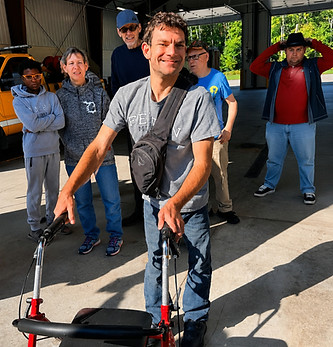
Community Living Supports help adults build greater independence and take an active role in everyday life. Working one-on-one or in small groups, participants develop practical skills, pursue personal goals, attend appointments, shop, volunteer, exercise, and take part in activities throughout the community.
Support is tailored to each person’s abilities, interests, and needs. Whether learning a new skill, building confidence, or staying connected with others, CLS helps each individual live a fuller, more independent life.

Employment & Vocational SKills
Meaningful work builds confidence, independence, and pride. Bergmann Center partners with local businesses and organizations to provide vocational experiences that help participants develop workplace skills while making valuable contributions to their community.
One example is our partnership with Industrial Magnetics, Inc. (IMI) in Boyne City, where participants complete light assembly work as part of a team. These opportunities teach responsibility, teamwork, attention to detail, and the satisfaction that comes from a job well done.
Community Engagement
Life is richer when people are connected to their community. Bergmann Center believes the community is one of the best classrooms of all. Throughout the year, participants enjoy shopping trips, local events, volunteer projects, recreation, dining, and seasonal activities that encourage exploration, friendship, and personal growth.
By participating alongside friends and neighbors, individuals build confidence, strengthen social skills, and experience the joy of being active members of their community.

How do I enroll in Bergmann Center?

Many of the individuals who participate in Bergmann Center programs are referred through North Country Community Mental Health (NCCMH). If you or a family member has an intellectual or developmental disability and is already receiving services through NCCMH, your case manager can help determine whether Bergmann Center is an appropriate provider based on your individual goals and Plan of Service.
We encourage individuals, families, guardians, and caregivers to contact Bergmann Center to learn more about our programs and discuss the next steps.
Every person is unique. We work closely with individuals, families, and our community partners to help ensure each participant receives services that support their goals, abilities, and interests.
Need Help Getting Started?
Finding the right services can sometimes feel complicated. Bergmann Center is here to help. Whether you have questions about eligibility, Medicaid-funded services, community mental health, or the referral process, contact us and we'll help point you in the right direction.
Make a Difference Every Day
Join a team helping adults with disabilities build fuller, more independent lives.


BERGMANN CENTER, INC.
08855 MARTIN ROAD, CHARLEVOIX, MI 49720
(231) 547-2979 FAX: (231) 547-1321
Bergmann Center Inc. is a 501(c)3 non-profit organization serving the developmentally and physically disabled community
in Northern Michigan.
© 2026 Bergmann Center Inc. Powered and secured by Wix